This Stuff Actually Works
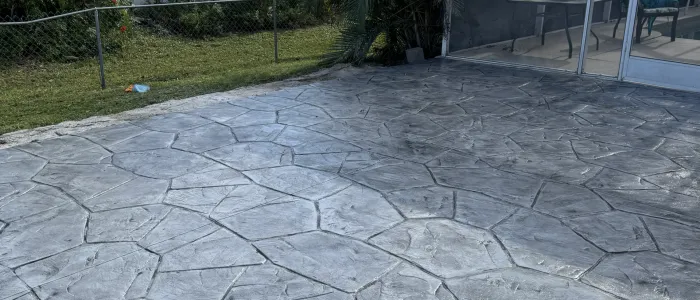
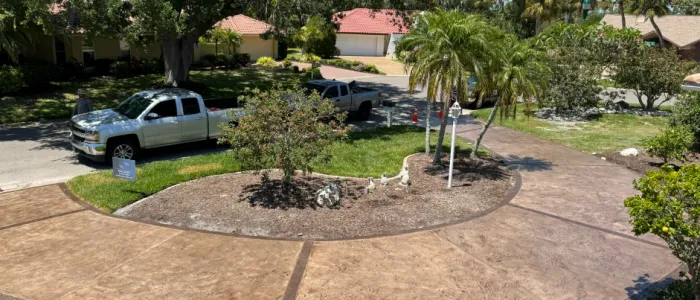
A few years back I started adding fiber mesh to our concrete mix on residential jobs and I gotta tell you - the difference in surface cracking is REAL. Not magic, not a miracle, but a noticeable improvement that I can see with my own eyes on slabs we poured 3-4 years ago.
What Is Fiber Mesh?
It's exactly what it sounds like - tiny synthetic fibers (usually polypropylene) that get mixed right into the concrete at the plant. They're about 3/4 inch long and there are millions of them distributed throughout the mix. When the concrete cures and wants to shrink-crack, those fibers hold the surface together. Think of it like the concrete equivalent of rebar but on a micro scale.
What It Does
- Reduces plastic shrinkage cracking - the surface cracks that show up in the first 24-48 hours
- Adds impact resistance to the surface
- Helps with freeze-thaw resistance (less of an issue here in Sarasota but still)
- Distributed throughout the entire slab, not just at one level like wire mesh
What It Does NOT Do
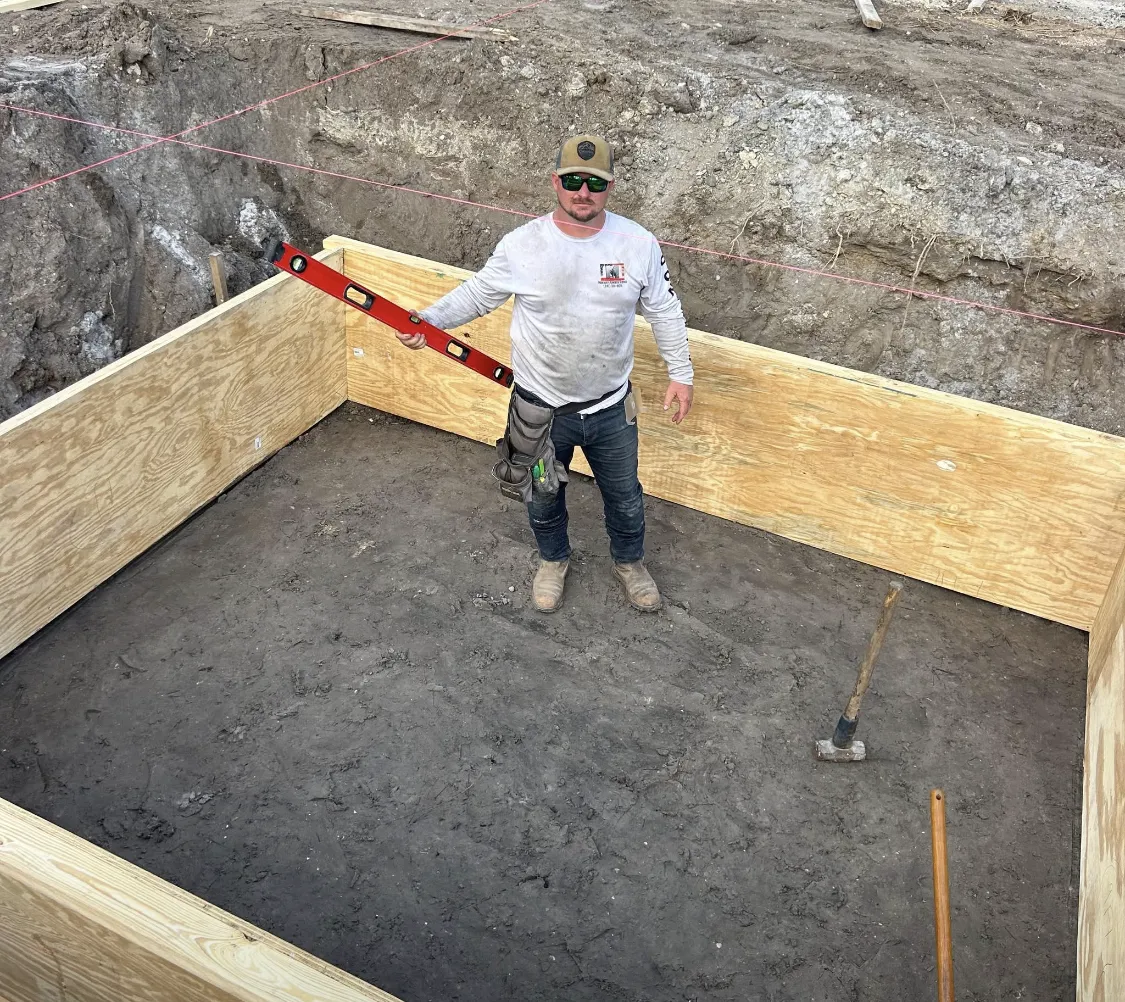
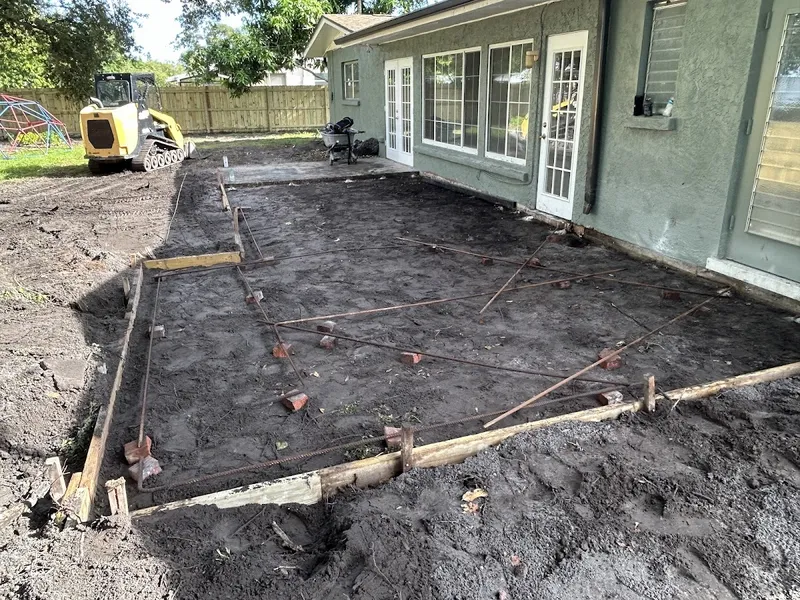
And this is important so listen up - fiber mesh is NOT a replacement for structural reinforcement. If your slab needs rebar or wire mesh for structural support, you still need rebar or wire mesh. Period. I've seen contractors tell customers "oh we use fiber mesh instead of rebar" and that is WRONG. They do different things.
Rebar handles structural loads - the weight of your truck, the expansion and contraction forces, soil settlement. Fiber mesh handles surface cracking. We use BOTH on most of our jobs now. Belt and suspenders.
The Cost
Adding fiber mesh to a residential pour usually runs about $0.50-1.00 per square foot extra. On a typical driveway or patio that's maybe $200-400. For the reduction in cracking we see? That's money well spent in my book. Way cheaper than coming back to fill cracks later.
Source: 711 Materials - Wire Mesh vs. Synthetic Fibers Cost ComparisonWant to talk about reinforcement options for your project? We're happy to explain the differences and help you make the right call. (941) 374-8674.